Digital imaging has changed the way hospitals and diagnostic centres handle medical records. However, printed diagnostic images are still useful in many clinical settings. Doctors may need physical copies for patient discussions, referrals, records, or situations where digital access is not always convenient.
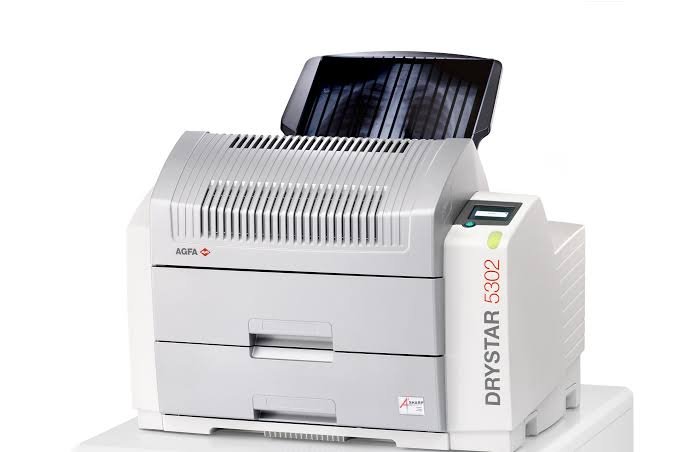
This is where a reliable dry imaging printer can make a practical difference. The DRYSTAR 5302 is designed to produce diagnostic hardcopies while supporting a streamlined workflow. Its dry printing technology avoids the need for wet chemical processing, making everyday operation simpler.
A Dry Printing Approach for Modern Facilities
Traditional film processing can involve chemicals, darkroom requirements, and additional maintenance. Dry imaging takes a different approach. The DRYSTAR 5302 uses direct thermal printing technology, allowing diagnostic images to be produced without wet processing.
This can help healthcare facilities reduce the operational steps involved in producing physical images. Films can also be loaded in normal working conditions, which makes the process more convenient for staff.
Designed for Consistent Image Output
Image quality is an important consideration when physical diagnostic images are required. The system offers a geometric printing resolution of 320 dpi and uses a 14-bit pixel depth architecture. These specifications are designed to support detailed grayscale image reproduction for medical applications.
For healthcare teams, consistent output can help make printed images easier to review and share. The focus is not simply on producing a print but on maintaining dependable image quality throughout regular use.
Useful Speed for Everyday Workflows
Busy radiology departments need equipment that can keep pace with routine workloads. The DRYSTAR 5302 offers different throughput levels depending on the selected film size. It can produce up to 130 sheets per hour in the 8 x 10 inch format, while the throughput for 14 x 17 inch film is 75 sheets per hour.
This level of performance can support departments handling regular diagnostic printing without making the printer a major bottleneck in the workflow.
Compact Design and Practical Operation
Space can be another concern in healthcare environments. The printer has a tabletop-oriented design with dimensions of approximately 72.8 x 71.5 x 53.6 cm, excluding the output tray height adjustment noted in the specifications. Its dry workflow can also reduce the need for equipment associated with wet film processing.
A Practical Choice for Diagnostic Imaging
A dependable medical imaging workflow depends on more than image capture alone. Printing, sharing, storage, and accessibility can all affect how smoothly a department operates. The combination of dry processing, multiple film formats, network connectivity, and consistent output makes this type of imaging solution useful for facilities that continue to rely on physical diagnostic images.
For healthcare organisations looking for dependable radiology workflow technology, an advanced medical imaging solutions provider can provide practical tools designed around efficiency, image quality, and everyday clinical requirements. Its focus on diagnostic imaging technology and workflow support makes it a relevant choice for healthcare environments seeking dependable solutions for modern medical imaging operations.