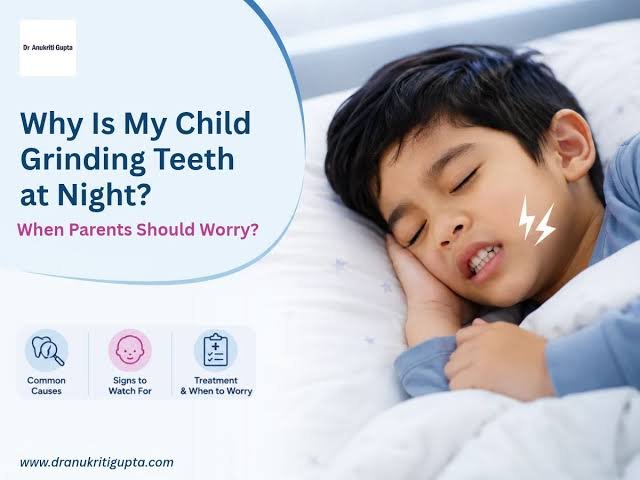
It’s late at night, and you walk past your child’s bedroom when you hear an unusual sound. At first, you might think something is creaking. Then you realize the noise is coming from your child’s mouth.
They’re grinding their teeth while sleeping.
If this sounds familiar, you’re certainly not the only parent who has experienced it. Teeth grinding, medically known as bruxism, affects many children, particularly during their early years of dental development. While occasional grinding doesn’t always indicate a serious problem, persistent episodes can sometimes lead to tooth wear, jaw discomfort, and disrupted sleep.
Understanding why children grind their teeth and recognizing when to seek professional guidance can help you protect your child’s developing smile.
Is Teeth Grinding Normal in Young Children?
Hearing your child grind their teeth can be unsettling, especially when the sound seems surprisingly loud.
However, childhood teeth grinding is relatively common. Some children grind their teeth as their baby teeth emerge, while others develop the habit during periods of dental growth.
Sleep bruxism involves involuntary jaw muscle activity during sleep. Children may clench their jaws, move their teeth against one another, or produce noticeable grinding sounds.
Many children experience occasional episodes without developing significant dental problems.
The important question isn’t simply whether your child grinds their teeth. It’s whether the habit causes discomfort, damages their teeth, or accompanies other symptoms.
A pediatric dental examination can help distinguish harmless occasional grinding from a condition that requires closer attention.
What Causes Children to Grind Their Teeth?
There isn’t always one clear explanation for childhood bruxism. Researchers believe several factors may contribute to the behavior.
Changes in Dental Development
Children’s mouths undergo remarkable changes as baby teeth emerge and permanent teeth gradually replace them.
Some children experience grinding during these developmental stages.
Although parents sometimes associate grinding with changes in tooth alignment, dental development alone does not explain every case.
Stress and Emotional Changes
Children experience stress differently from adults.
Starting a new school, adjusting to family changes, managing friendships, or feeling overwhelmed by daily activities can influence their emotional well-being.
Stress and anxiety may contribute to teeth grinding in some children, although the relationship varies from child to child.
Parents may notice grinding becomes more frequent during particularly demanding periods.
Sleep-Related Conditions
Sleep bruxism can occur alongside other sleep disturbances.
For example, some children who grind their teeth also snore, experience restless sleep, or have sleep-disordered breathing.
Grinding does not automatically mean a child has sleep apnea. However, frequent snoring, gasping, or breathing pauses during sleep deserve evaluation by a healthcare professional.
Certain Medications and Medical Factors
Some medications and neurological or developmental conditions may be associated with bruxism.
Parents should share relevant medical information with their child’s dentist rather than attempting to determine the cause independently.
Five Signs Your Child May Be Grinding Their Teeth
Not every child makes an audible grinding noise. Some clench their teeth silently, making the habit harder to identify.
Watch for these possible warning signs.
1. Grinding sounds during sleep
You may hear scraping, clicking, or rubbing noises coming from your child’s mouth.
2. Morning jaw discomfort
Children who frequently clench their jaws may wake up with soreness around the cheeks or jaw muscles.
3. Unexplained tooth sensitivity
Repeated grinding can wear down enamel in some cases, making teeth more sensitive to temperature changes.
4. Flattened or worn teeth
A dentist may notice unusual wear patterns on the biting surfaces of teeth.
5. Morning headaches
Some children experience headaches associated with jaw muscle tension, although headaches can have many other causes.
If you notice several of these symptoms, consider arranging an appointment with a children’s dentist in Rancho Cucamonga to evaluate your child’s oral health.
Can Grinding Damage Baby Teeth?
Parents sometimes dismiss grinding because baby teeth eventually fall out.
However, primary teeth perform important functions throughout childhood. They support chewing, speech development, and the spacing needed for permanent teeth.
Frequent or forceful grinding may gradually wear down tooth surfaces.
In more significant cases, children can develop tooth sensitivity, damaged restorations, or discomfort involving the jaw muscles.
Fortunately, not every child who grinds their teeth experiences these complications.
A pediatric dentist evaluates the extent of wear, checks for discomfort, and determines whether the condition requires monitoring or treatment.
The goal is to protect the teeth without introducing unnecessary interventions.
Should Parents Wake Children Who Grind Their Teeth?
Parents often wonder whether they should wake their child whenever grinding begins.
Generally, waking a sleeping child is not necessary simply because you hear occasional teeth grinding.
Grinding occurs involuntarily, and children usually cannot consciously control the behavior while asleep.
Repeatedly interrupting sleep may create additional frustration without addressing the underlying issue.
Instead, observe how frequently the grinding occurs and whether your child experiences symptoms during the day.
You might keep a short record of noticeable episodes, morning complaints, or changes in sleeping habits.
This information can help your child’s dental professional evaluate the situation.
How Do Pediatric Dentists Treat Childhood Bruxism?
Treatment for teeth grinding in children differs from treatment for adults.
Because children’s teeth and jaws continue developing, dentists carefully consider whether intervention is necessary.
Monitoring Tooth Wear
For children with mild grinding and no significant symptoms, periodic dental examinations may be sufficient.
The dentist can compare changes in tooth surfaces over time and identify developing concerns.
Evaluating Dental Damage
When grinding causes tooth damage or sensitivity, the dentist may recommend appropriate restorative treatment.
The specific approach depends on the affected teeth and the severity of the damage.
Addressing Sleep Concerns
If a child snores heavily, experiences breathing difficulties during sleep, or shows other signs of sleep-disordered breathing, the dentist may recommend an evaluation by a pediatrician or sleep specialist.
Treating an associated medical condition may improve overall sleep health, although it does not guarantee that grinding will stop.
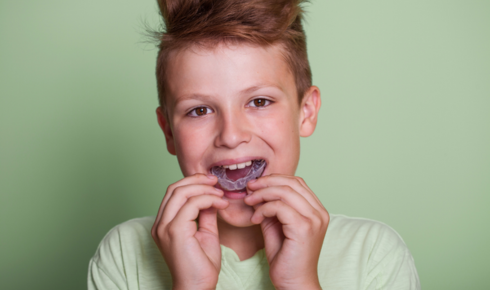
Considering Protective Appliances
Parents sometimes ask whether their child needs a nightguard.
While dentists commonly prescribe nightguards for certain adults, these appliances are not automatically appropriate for young children.
Growing jaws, erupting teeth, and the nature of childhood bruxism require individualized consideration.
A pediatric dentist can determine whether an appliance is appropriate or whether observation offers a better approach.
What Can Parents Do at Home?
You cannot always stop sleep bruxism, but you can encourage habits that support healthy sleep and oral comfort.
Begin with a consistent bedtime schedule. Children generally benefit from predictable routines that allow them to wind down before sleeping.
Reduce stimulating activities close to bedtime, especially when your child has difficulty settling down.
Reading together, listening to calming music, or spending quiet time as a family may help create a relaxing environment.
If your child appears worried or overwhelmed, encourage age-appropriate conversations about their feelings.
Parents should also pay attention to daytime habits such as frequent jaw clenching or chewing on hard objects.
Avoid purchasing over-the-counter nightguards for young children without professional guidance.
Most importantly, continue routine dental care so a pediatric dentist can monitor tooth development and identify unusual wear.
When Does Teeth Grinding Require a Dental Appointment?
Occasional grinding without discomfort may not require urgent treatment.
However, certain symptoms deserve attention.
Schedule a dental evaluation if your child develops persistent jaw pain, noticeable tooth wear, frequent morning headaches, or sensitivity while eating.
You should also seek guidance when grinding becomes increasingly intense or accompanies other concerning symptoms.
If your child experiences loud habitual snoring, gasping, or breathing pauses during sleep, contact their pediatrician for further assessment.
A comprehensive evaluation can help determine whether the problem involves dental wear, sleep health, or another underlying factor.
Supporting Children’s Dental Health in Rancho Cucamonga
Families living in Rancho Cucamonga, Etiwanda, Alta Loma, and nearby Inland Empire communities have many reasons to prioritize preventive children’s dental care.
Regular appointments provide an opportunity to discuss concerns that parents might otherwise overlook, including nighttime grinding.
During a pediatric dental checkup, the dental team can examine tooth surfaces, assess jaw function, and review oral hygiene habits.
Parents can also ask questions about dental development, tooth sensitivity, and changes they notice at home.
Choosing a pediatric dentist in Rancho Cucamonga, CA, who emphasizes preventive care and clear communication can help families make informed decisions throughout their children’s growth.
A Healthy Smile Starts With Paying Attention
Hearing your child grind their teeth at night doesn’t necessarily mean something is wrong.
For many children, the habit occurs intermittently and causes little or no lasting harm. Others may need additional evaluation when grinding leads to discomfort, dental wear, or concerning sleep symptoms.
The best approach combines observation, healthy sleep habits, and professional dental guidance.
If you’ve noticed nighttime grinding or changes in your child’s teeth, schedule a pediatric dental appointment to discuss your concerns.
A timely evaluation can provide reassurance, identify potential problems, and help your child maintain a comfortable, healthy smile.