Home Blog Page 3

Tooth Filling Materials: Silver, White and When Each Option Is Usually Chosen

0

Cavity detect hone ke baad sabse common sawaal – “Kaunsa filling material better hai?” Aajkal options mainly silver-coloured (amalgam) aur tooth-coloured (composite/others) hote hain, each with pros–cons.

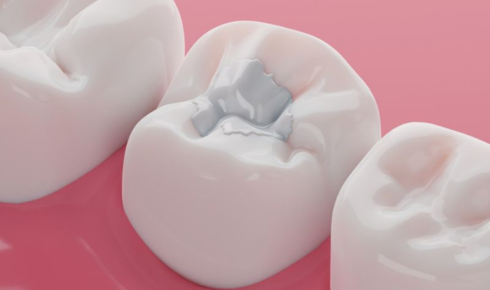
Silver amalgam fillings purane, tested aur kaafi durable hote hain, especially large back teeth restorations me. They’re usually cheaper and can handle heavy chewing forces. Downside ye hai ki colour dark hota hai, jo smile me visible ho to log cosmetic reasons se avoid karte hain.

Tooth-coloured composite fillings natural enamel ke shade se match kiye ja sakte hain, isliye front teeth, ya visible areas me popular choice hain. They chemically bond to tooth, jisse kabhi-kabhi less drilling required hoti hai. Lekin technique sensitive hote hain – dry, clean field bohot important hai; kuch situations me long-term durability amalgam se thodi kam ho sakti hai.

Ceramic/inlay/onlay type restorations bhi hote hain larger damage ke cases me, jo lab-made, tooth-coloured aur strong hote hain, but cost aur multiple visits required ho sakte hain.

Dentist decision me cavity ka size, tooth ka location, biting force, budget, aur cosmetic preference sab factor bante hain. Ek honest discussion se tum samajh sakte ho ke specific tooth ke liye kaun sa option realistically best trade-off deta hai.


Seasonal Allergies vs Dust Sensitivity: Spotting Patterns in Your Symptoms

0

Running nose, sneezing, itchy eyes – ye sab symptoms dust se bhi aa sakte hain, pollen se bhi. Difference samajhna helpful hota hai jab tum triggers avoid karne ki planning karte ho.

Seasonal allergies (hay fever type) usually specific time of year peak karte hain – jab certain plants pollinate kar rahe hote hain. Tum dekh sakte ho ki har saal spring/monsoon ke around same pattern repeat ho raha hai, especially outdoor time ke baad.

Dust or dust mite sensitivity zyada indoor linked hota hai. Symptoms cleaning, old mattress, carpets, stuffed toys, ya closed rooms me time spend karne pe worsen ho sakte hain. Yeh saal bhar mild rehta hai, but particular situations me flare hota hai.

Symptom diary helpful hai – note karo kab, kahan, kya kar rahe the jab symptoms aaye. Agar open park walk ke baad har baar issue hai, pollen suspect. Agar bed pe jaate hi nose block ho jata hai, dust mites likely.

Treatment overlap karta hai (anti-histamines, nasal sprays etc.), lekin environmental measures different ho sakte hain – jaise indoor dust control vs seasonal outdoor exposure planning. Allergist allergen testing se clearer picture de sakta hai, especially severe ya confusing cases me.

Local vs General Anaesthesia: How Doctors Decide Which One You Need

0

Surgery ya procedure ke time sabse big concern hota hai – “Mujhe hosh rahega ya nahi?” Ye decision local vs general anaesthesia ke around hota hai.

Local anaesthesia sirf ek specific area ko numb karta hai. Tum awake rehte ho, but treated part me pain feel nahi hota (sirf pressure ya touch sense). Dental fillings, small skin procedures, minor stitches etc. me yahi use hota hai. Kabhi-kabhi regional blocks (jaise epidural, spinal) body ke larger portion ko numb karte hain par tum partially awake ho sakte ho.

General anaesthesia me tumko fully unconscious state me le jaya jata hai. Larger surgeries, complex operations, ya jahan movement/awareness dangerous ho sakta hai (major abdominal, chest, brain surgeries, etc.) waha use hota hai. Anaesthesiologist continuously breathing, heart, BP sab monitor karta hai.

Doctor decision me procedure type, duration, tumhari health, medicines, allergies, previous anaesthesia reactions, aur anxiety level sab factor hote hain. Kabhi-kabhi option hota hai (like C-section me spinal vs general), jahan pros–cons discuss karke choose kiya jata hai.

Pre-anaesthesia check-up me jo form ya questions hote hain, unko lightly mat lo. Honest information anaesthesia ko safe banane ka backbone hai.

Fear of Injections: Small Tricks Doctors Use to Make Shots More Tolerable

0

Injections se dar kisiko ho sakta hai – bacche hi nahi, bade bhi. Some people literally sweat, heart race, ya faint feel karte hain jab syringe dekhen. Good news: small tricks se experience kaafi tolerable banaya ja sakta hai.

Doctors ya nurses pehle area ko numb karne ke liye cold spray, ice, ya topical anaesthetic cream ka use kar sakte hain (jab appropriate ho). Needles bohot thin ho gaye hain aajkal, isliye pain usually quick pinch jaisa hota hai, long torture nahi.

Distraction powerful tool hai. Kisi se baat karna, opposite direction me dekhna, deep breaths, counting, ya phone pe music/video pe focus rakhna brain ko pain signal se partly divert kar sakta hai. Kuch log kehte hain ke agar injection ke time khaas muscle tight na rakho, jaise arm relaxed ho, to pain kam feel hota hai.

Agar tum faint-prone ho, to lying down position safer ho sakti hai. Nurse ko pehle hi bata do – unke paas aise cases ka experience hota hai, wo bhi extra careful rehte hain.

Most importantly, apne fear ko childish samajh ke suppress mat karo. Openly share karne se hi team tumhare liye extra steps plan kar paati hai. Health procedures uncomfortable ho sakte hain, lekin unko manageable banaya ja sakta hai.

Talking Therapies Explained: Differences Between Counselling, CBT and Other Approaches

0

Mental health ke liye “talking therapy” bolte hi log confuse ho jate hain – counselling, psychotherapy, CBT, coaching… sab same lagta hai. Thoda basic difference samajh loge to apne liye right help choose karna easy ho jayega.

Counselling generally focused, short to medium term support hota hai – relationship stress, grief, work pressure, life transitions jaisi situations me. Counselor tumhari feelings explore karne, clarity paane, aur coping strategies build karne me madad karta hai.

CBT (Cognitive Behavioural Therapy) structured approach hai jisme thoughts–feelings–behaviour ke connection pe kaam hota hai. Negative automatic thoughts identify karke, unko challenge aur reframe karna, phir gradual behaviour change laana isme key hota hai. Anxiety, phobias, depression, OCD etc. me research-backed approach mana jata hai.

Other therapies – like psychodynamic, humanistic, ACT, etc. – deeper patterns, past experiences, ya acceptance and values pe more focus kar sakte hain. Kayi therapists integrative style use karte hain, jisme client ki need ke hisaab se tools mix kiye jaate hain.

Sabse important therapist ka style, tumhara comfort, aur working relationship hai. Pehli–do sessions me hi tum feel kar loge ki communication flow sahi lag raha hai ya nahi. Agar nahi lag raha, to therapist change karna failure nahi, rather apne liye right fit search karna hai.

Kidney Stone Prevention: Daily Habits That Reduce Your Future Risk

0

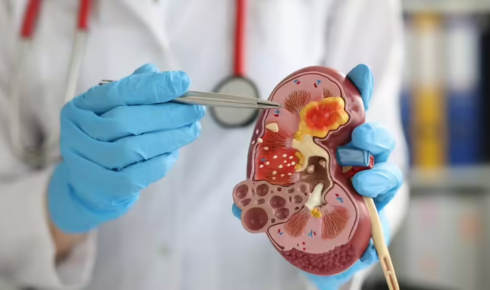
Kidney stones ka pain log “worst of my life” describe karte hain. Good news: bohot cases me simple daily habits risk ko kam kar sakte hain, especially agar pehle kabhi stone ho chuka hai.

Hydration sabse strong factor hai. Din bhar enough fluids (mostly water) lena, jisse urine pale yellow rahe, stones banne wale minerals ko dilute rakhta hai. Sirf ek baar me bohot paani nahi, balki frequent sips. Very hot weather ya heavy sweating me quantity aur badh sakti hai.

High salt intake urine me calcium excretion badha sakta hai, jo kuch stone types me risk factor hai. Processed snacks, packaged foods, extra table salt ko thoda control karna useful hai. Protein ka source bhi matter karta hai – excessive animal protein kuch logon me stone risk increase kar sakta hai; doctor/dietician se personalised guidance yahan best hai.

Sugar-sweetened sodas, especially cola-type, bhi stones ka risk badha sakte hain. Simple water, nimbu pani (without over-sugar), and other low-sugar drinks safer bets hain.

Agar tumhara stone type identify hua hai (calcium oxalate etc.), to uske according specific diet tips mil sakte hain. Ek baar stone ka matlab lifelong banish nahi, lekin alert rehna definitely worth it hai.

Gut Health Basics: Fibre, Fermented Foods and What People Get Wrong About “Detox”

0

Aajkal “gut health” aur “detox” har jagah dikhte hain. Reality me gut ko khush rakhne ke basics boring but solid hain – fibre, varied foods, hydration, aur unnecessary extremes avoid karna.

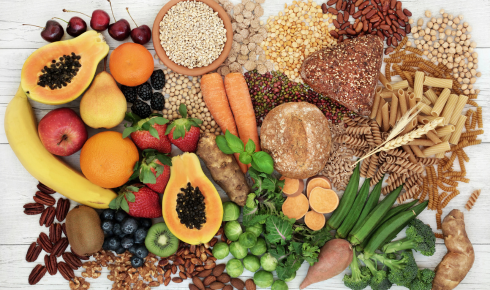
Fibre (fruits, vegetables, whole grains, lentils, beans, nuts, seeds) stool ko bulk aur softness deta hai, friendly bacteria ko feed karta hai, aur bowels ko regular rakhta hai. Sudden huge fibre jump se gas/bloating ho sakte hain, isliye dheere-dheere increase karo, saath me paani bhi.

Fermented foods – dahi, chaas, kimchi, kanji, kombucha jaise options – beneficial bacteria provide kar sakte hain, but sabko sab suit nahi karte. Simple homemade yoghurt se start karna safe middle path hai.

Detox ka concept often misunderstanding hai. Liver aur kidneys already body ke main detox organs hain. Extreme juice cleanses, laxative teas, ya starvation-style diets unko support nahi, stress kar sakte hain. Long-term gut health balanced, sustainable eating se aata hai, not 3-day challenge se.

Agar serious issues hain – chronic diarrhoea, constipation, blood in stool, sudden weight loss – to “detox” word bhool ke directly gastro doctor se consult better hai. Gut ko pyaar chahiye, punishment nahi.

Bloating After Meals: Common Everyday Causes and Simple Changes That Can Help

0

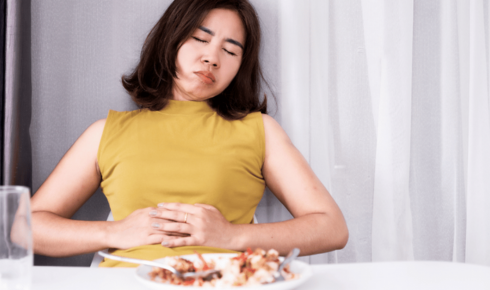
Khane ke baad pet phoola hua, tight ya gassy feel hona bohot common complaint hai. Har bloating serious disease nahi hota, lekin daily discomfort life quality disturb kar sakta hai.

Common reasons: jaldi–jaldi khana, bohot talking while eating (extra air swallow), carbonated drinks, high salt meals, oversize portions, heavy fried foods, ya specific food intolerances (like too much lactose ya certain FODMAPs). Constipation bhi belly heavy feel karwa sakta hai.

Simple tweaks se shuru karo. Meal portions thoda chhote rakho, thorough chewing karo, phone/TV se distraction kam rakho. Fizzy drinks, chewing gum, aur constant straw use kam karo – sab extra air stomach me le jaate hain. Water ko din bhar sip karo instead of meal ke ekdum beech bohot zyada.

Food diary helpful ho sakta hai – note karo kis meal ke baad bloating zyada hota hai. Pattern milne pe suspect foods temporary reduce ya rotate karke dekh sakte ho.

Severe, painful, persistent bloating, weight loss, vomiting, blood in stool, ya very loud bowel changes red flag hain – waha self-experiment se pehle doctor ki opinion important hai. Mild routine bloating ke case me lifestyle adjustment kaafi logon ko relief deta hai.

Home Blood Pressure Monitors: How to Use Them Correctly and Read the Numbers

0

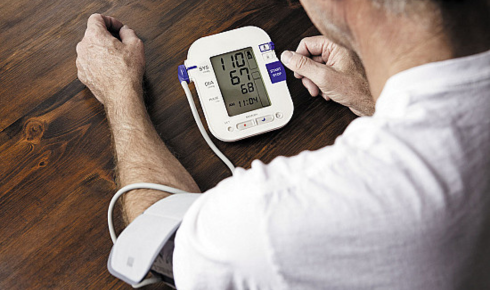
Ghar pe BP machine rakhna bohot logon ke liye practical hai, especially agar hypertension ya heart risk ho. Lekin galat tareeke se measure karne se numbers misleading ho sakte hain.

Measurement se pehle 5 minute quietly baitho. Coffee, chai, cigarette, ya heavy walk ke turant baad reading mat lo. Washroom use karke bladder empty ho, chair pe back supported, feet flat floor pe, legs uncrossed rahen.

Cuff arm ke upper part par lagta hai, roughly heart ke level pe. Shirt bohot tight ya rolled bunch me ho to reading affect ho sakti hai – ideally bare skin pe use karo. Measurement ke waqt baat mat karo, phone na use karo, relax raho.

Reading me systolic/diastolic number aata hai (e.g., 120/80). Single random reading panic ya celebration ka reason nahi. Pattern important hai – multiple days, different times, doctor ke guidance ke saath. High readings ka photo ya logbook rakhna follow-up me helpful hota hai.

Self-monitoring ka aim doctor ko replace karna nahi; aim hai unko better data dena, taaki medicine aur lifestyle plan zyada accurately adjust ho sake.

Stretching Before Workouts: Static vs Dynamic and How to Warm Up Smartly

0

School me sabne dekha hoga – workout se pehle long static stretching. Ab research bolti hai ke heavy stretching cold muscles pe, especially long holds, strength aur performance thoda reduce kar sakta hai. Iska matlab stretching bekaar hai? Nahi – bas timing aur style important hai.

Dynamic warm-up pre-workout best hota hai. Isme controlled, moving stretches hote hain – leg swings, arm circles, hip rotations, walking lunges, torso twists. Ye blood flow badhate hain, joints ko ready karte hain, aur nervous system ko “movement mode” me le aate hain.

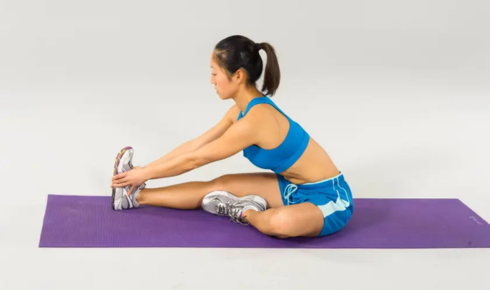
Static stretching (jaise toe touch hold, hamstring hold, quad hold) zyada useful hota hai workout ke baad ya alag flexibility session me. Tab muscles warm hote hain, toh safe range me hold karke gradually length improve ki ja sakti hai.

Smart warm-up structure: few minutes light cardio (walk, cycle, skipping), phir dynamic movements specific to workout (squats ke pehle bodyweight squats, shoulder session ke pehle band pull-aparts etc.). Ye approach tumhare lifts ya runs ko safer aur smoother banata hai.

Bina warm-up directly max effort pe jana risk invitation hai. 5–10 minutes invest karoge, toh injury se bachne ka chance kaafi badh jaata hai.